
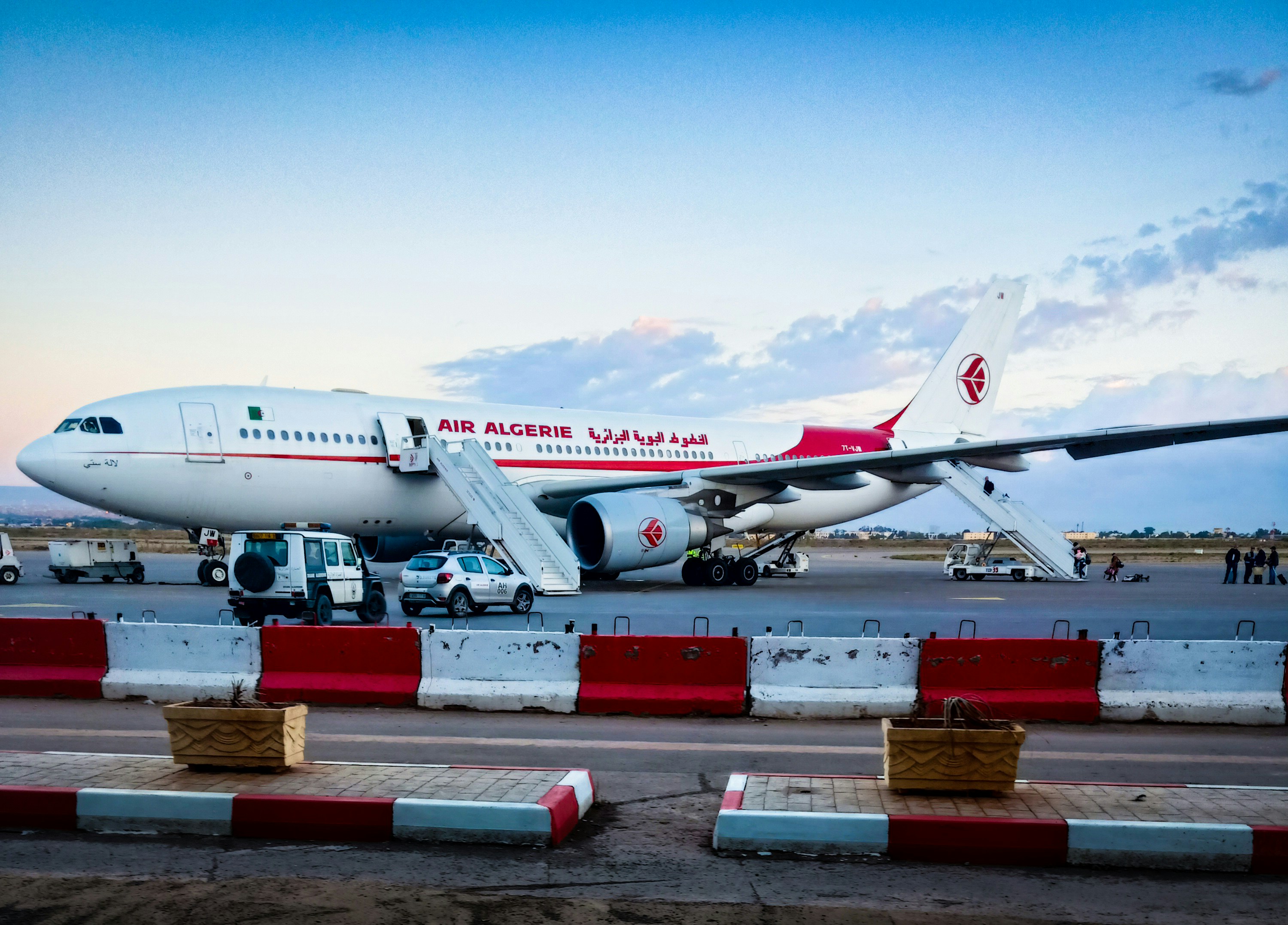
Introduction to Oujda Airport
Oujda Airport, officially known as Angads Airport, is located approximately 12 kilometers east of the city of Oujda, in northeastern Morocco. This airport serves as a crucial gateway for travelers looking to explore the rich cultural and historical landscape of the eastern region of Morocco. Oujda itself is known for its vibrant Arabic and Berber influences, alongside its proximity to the borders of Algeria, which adds to the airport’s strategic significance.
The airport was inaugurated in 1991, and since then, it has evolved to accommodate both domestic and international flights. It plays a vital role in enhancing the connectivity of this relatively less-explored region with major urban centers in Morocco and other countries. With its modern facilities and services, Oujda Airport enables seamless travel experiences for tourists and business travelers alike, facilitating the movement of people and promoting economic growth in the region.
While primarily serving travelers to and from Morocco, Oujda Airport also connects to various international destinations, reflecting the increasing demand for air travel in the region. Its strategic location makes it an essential hub not only for local citizens but also for visitors who wish to discover the unique attractions of Oujda, including the historic Medina and the nearby Mediterranean beaches. The airport further contributes to regional tourism, encouraging visitors to experience the beauty and diversity that northeastern Morocco has to offer.
The Founding of Oujda Airport
Oujda Airport, officially known as Angads Airport, was established to facilitate air travel in northeastern Morocco and to serve the strategic interests of the region. The airport’s construction commenced in the early 1990s, with the objective of enhancing connectivity and providing a modern transportation infrastructure to support economic growth and tourism in Oujda and the surrounding areas. Recognizing the potential of aviation as a catalyst for regional development, the Moroccan government made the decision to invest in this critical project.
The inauguration of Oujda Airport took place on April 3, 1999, marking a significant milestone in the region’s transportation history. This development aimed to better connect Oujda with other major cities within Morocco and neighboring countries. With the establishment of the airport, Oujda sought to position itself as an important hub for both passenger and cargo flights. The strategic location of the airport allows for easy access to southern Europe and other parts of Africa, further underpinning its importance in international travel.
Initially, the facilities at Oujda Airport were quite basic, focusing primarily on accommodating domestic flights. The airport featured a single runway and a modest terminal building capable of handling a limited number of flights. Over the years, Oujda Airport has undergone various upgrades and expansions to meet the increasing demand for air travel. These improvements have included enhancements in passenger services, additional hangars, and the development of more extensive cargo terminal facilities.
The founding of Oujda Airport represented a forward-thinking approach to regional development, exemplifying the Moroccan government’s commitment to improving infrastructure. As air travel continues to grow in importance, Oujda Airport serves as a vital link for the region, supporting not only local tourism but also facilitating trade and commerce.
Development and Renovation Over the Years
Oujda Airport, officially known as Angads Airport, has undergone significant transformations since its inception, adapting to the evolving needs of air travel. Established in the early 1960s, the airport was initially designed to accommodate modest passenger volumes. However, as the region’s importance increased, so did the airport’s role in regional air transport.
In the late 1990s, the Moroccan government recognized the necessity for enhanced airport facilities to stimulate both tourism and commercial capabilities. This led to a comprehensive renovation plan initiated in 1998, which aimed to expand the terminal and improve operational systems. The renovations included an enlarged passenger terminal capable of handling increased traffic and modernized check-in facilities. These upgrades were vital in ensuring Oujda Airport could efficiently manage the rising passenger demands of the 21st century, particularly in light of Morocco’s growing status as a travel destination.
By 2008, further enhancements were made, focusing on upgrading air navigation systems and runway enhancements. Such improvements were essential for ensuring compliance with international aviation standards, ultimately leading to the airport’s certification by the International Civil Aviation Organization (ICAO). These developments paved the way for larger aircraft to service the airport, greatly improving connectivity to European and international destinations.
In the years that followed, Oujda Airport saw continuous investments in facilities and services. This included the introduction of new airlines and routes, reflecting the airport’s strategic focus on increasing passenger volume and promoting regional economic growth. The modernization efforts underscore Oujda Airport’s commitment to safety, efficiency, and capacity to meet passenger demands, placing it as a pivotal player in Morocco’s aviation landscape.
Oujda Airport During Historical Events
Oujda Airport, located in the eastern region of Morocco, has served as a significant site throughout various historical contexts, reflecting the intricate relationship between aviation and geopolitical dynamics. Established in the 1940s, the airport initially functioned to bolster military operations during World War II, catering to the needs of Allied forces. Its strategic location allowed for the transit of troops and supplies, thus contributing to military campaigns in North Africa. By facilitating logistical support, Oujda Airport emerged as a crucial factor in wartime operations.
Subsequent to the war, Oujda Airport continued to engage with military activities, particularly during the conflict in Western Sahara in the mid-1970s. The airport was utilized as an important base for deploying aircraft and personnel essential for the military operations undertaken by Morocco. This elevated role underscored how Oujda Airport not only functioned as a commercial airfield but also as a vital military asset amid regional unrest.
Furthermore, the airport became pivotal during times of humanitarian crisis, especially in the context of regional conflicts that prompted waves of refugees. In the late 20th century, Oujda Airport served as a gateway for individuals fleeing from political unrest in neighboring countries. As a point of entry for displaced persons, the airport played a significant role in alleviating humanitarian burdens while embodying the challenges associated with migration and refugee crises.
Through its multifaceted function in military logistics and humanitarian efforts, Oujda Airport highlights the intersection between aviation and historical events in Morocco, reflecting the broader regional tensions and the airport’s critical infrastructure role amidst ever-changing geopolitical landscapes.
The Role of Oujda Airport in Regional Development
The establishment and operation of Oujda Airport have served as pivotal elements in the economic and social development of Oujda and its surrounding areas. Strategically located near the eastern border of Morocco, the airport plays a critical role in enhancing connectivity, not only within the nation but also with international destinations. This connectivity is essential for promoting tourism, which has seen a significant growth trajectory since the airport’s inception.
One of the most notable contributions of Oujda Airport is its facilitation of tourism. By serving a variety of destinations, the airport has become a gateway for travelers wishing to explore the historical and cultural richness of the region. The local government has capitalized on this opportunity by promoting various tourism initiatives, which have resulted in increased visitor numbers, thereby benefiting the hospitality and service sectors. Local hotels, restaurants, and tour operators have seen a surge in business due to the increased influx of tourists, showcasing how the airport’s operations directly stimulate economic activity.
Furthermore, Oujda Airport has a profound impact on local industries. By providing an efficient transport hub, it aids businesses in sourcing materials and distributing goods more effectively. This has been particularly advantageous for industries such as agriculture and handicrafts, which are vital to the regional economy. Transporting products to broader markets has become more feasible, thereby enhancing the competitiveness of local enterprises. Moreover, the airport has also fostered job creation in both aviation-related sectors and ancillary industries, contributing to employment in the area.
In summary, Oujda Airport is more than a transportation node; it is a catalyst for economic growth, tourism development, and employment opportunities in the region. Its strategic importance continues to evolve as it meets the demands of a dynamic marketplace, further solidifying its role in the broader context of regional development.
Airlines and Destinations
Oujda Airport, officially known as Oujda Angads Airport, serves as a significant hub in northeastern Morocco. This airport has witnessed a notable evolution in its airline partnerships and the destinations offered, catering to the growing demand for both domestic and international travel.
In terms of airlines, Oujda Airport has welcomed various carriers over the years. Prominent Moroccan airlines such as Royal Air Maroc and Air Arabia Maroc operate from this airport, providing connectivity to major cities across Morocco. Additionally, budget airlines like Ryanair have contributed to the expansion of the airport’s appeal to international travelers, further fostering tourism and cultural exchange.
As for destinations, Oujda Airport provides a range of services that link the region to several key locations. Domestically, travelers can easily reach cities such as Casablanca, Marrakech, and Tangier, facilitating business and leisure trips across Morocco. On the international front, direct flights facilitate seamless travel to European destinations like Paris, Brussels, and Milan, catering primarily to the Moroccan diaspora and tourists looking to explore the rich heritage of the region.
Throughout the years, the portfolio of destinations served has seen significant changes. New routes have been established while others have been discontinued, often in response to fluctuating demand and strategic adjustments by the airlines. This dynamic nature of airline operations at Oujda Airport illustrates the airport’s adaptability and commitment to serving the region’s evolving market needs.
As travel patterns continue to shift, Oujda Airport is likely to further enhance its network of airlines and destinations, fostering economic growth and connectivity for the northeastern region of Morocco.
Challenges Faced by Oujda Airport
Oujda Airport, officially known as Angads Airport, has experienced a myriad of challenges since its establishment. These challenges have significantly influenced its operational efficiency and overall growth. One of the most notable hurdles faced by the airport is intense competition from other regional airports. Notably, airports in cities such as Casablanca and Marrakech attract a larger volume of domestic and international flights, which inevitably diverts potential traffic away from Oujda. The competitive landscape necessitates a strategic response to enhance its market appeal and service offerings.
Moreover, financial difficulties have been a persistent issue for Oujda Airport. Budget constraints often limit the ability to upgrade facilities and improve service quality, which are essential for attracting airlines and passengers. Additionally, fluctuating economic conditions have implications on travel patterns, affecting airport revenue generation. Addressing these financial challenges requires not only effective management but also potential investment from both public and private sectors to ensure sustainable operations.
Operational constraints further compound the airport’s challenges. Oujda Airport has faced issues such as limited operational hours, which restricts flight scheduling and reduces its competitiveness against other airports that offer more flexible services. Infrastructure development is crucial, yet investment has been slow, hindering the potential for expansion and modernization. To mitigate these concerns, airport authorities have been exploring various solutions, including partnerships with airlines and tourism agencies to boost traffic and improve operational standards.
Overall, while Oujda Airport confronts significant challenges, it is actively seeking strategies to overcome these obstacles and position itself as a key player in the aviation sector within Morocco and beyond.
Future Prospects of Oujda Airport
The future of Oujda Airport appears promising as it continues to adapt and evolve in response to changing aviation trends and passenger needs. With an increased focus on modernization and expansion, the airport is set to enhance its operational capabilities and service offerings significantly.
One of the key components of Oujda Airport’s future prospects includes several planned infrastructural projects aimed at expanding its capacity. These initiatives are expected to increase the number of annual passengers the airport can accommodate, catering to the anticipated growth in both domestic and international travel. By investing in better facilities and services, the airport aims to provide a more efficient and enjoyable experience for travelers, focusing on passenger comfort and convenience.
In addition to physical expansions, Oujda Airport is also embracing technological advancements in aviation. The integration of digital solutions for ticketing, security, and baggage handling is a priority, fostering a seamless travel experience. Moreover, adopting eco-friendly practices and sustainable technologies is integral to the airport’s future strategy, as it aligns with global trends towards sustainability in the aviation industry. This commitment not only improves the airport’s environmental footprint but also enhances its appeal to eco-conscious travelers.
Furthermore, Oujda Airport will likely explore new international routes, thereby broadening its global connectivity. Establishing partnerships with airlines can facilitate this expansion, making Oujda a hub for both tourism and commerce in the region. As travel patterns evolve, the airport is poised to adapt by offering diverse route options tailored to emerging market demands.
In conclusion, the future of Oujda Airport is characterized by growth, modernization, and responsiveness to passenger needs. By focusing on infrastructure development, technological innovation, and service enhancement, Oujda Airport is well-positioned to thrive in the competitive aviation landscape.
Conclusion
In this exploration of the history of Oujda Airport, we have delved into its inception, development, and the pivotal role it plays in facilitating air travel in Eastern Morocco. Originally established to serve military purposes, Oujda Airport has transformed over the decades to meet the demands of a growing civilian air travel market. Its strategic location has made it an essential hub connecting various national and international routes, thus enhancing regional accessibility.
The airport’s evolution reflects broader changes in aviation and tourism trends within Morocco. With modern upgrades and expanded facilities, Oujda Airport has successfully adapted to the contemporary demands of air traffic. It serves not only as a gateway for locals but also as a bridge for tourists exploring the rich cultural heritage and scenic landscapes of the region. The investments made in the airport’s infrastructure illustrate its significance in promoting economic growth and tourism.
Moreover, Oujda Airport’s operational enhancements and service improvements highlight the importance of fostering connectivity in an increasingly globalized world. This airport is not simply a transit point but symbolizes the growing relationship between Morocco and the international aviation community. The lessons learned from its history provide valuable insights into the evolution of air transport services in developing regions.
In conclusion, Oujda Airport stands as a testament to the progress and potential of airport facilities in improving regional mobility and economic opportunities. Its legacy as a military airbase transitioned into a vital civilian airport underscores the dynamic nature of aviation history in Morocco. Ultimately, Oujda Airport continues to play a critical role in shaping the future of air travel within the region and beyond.